




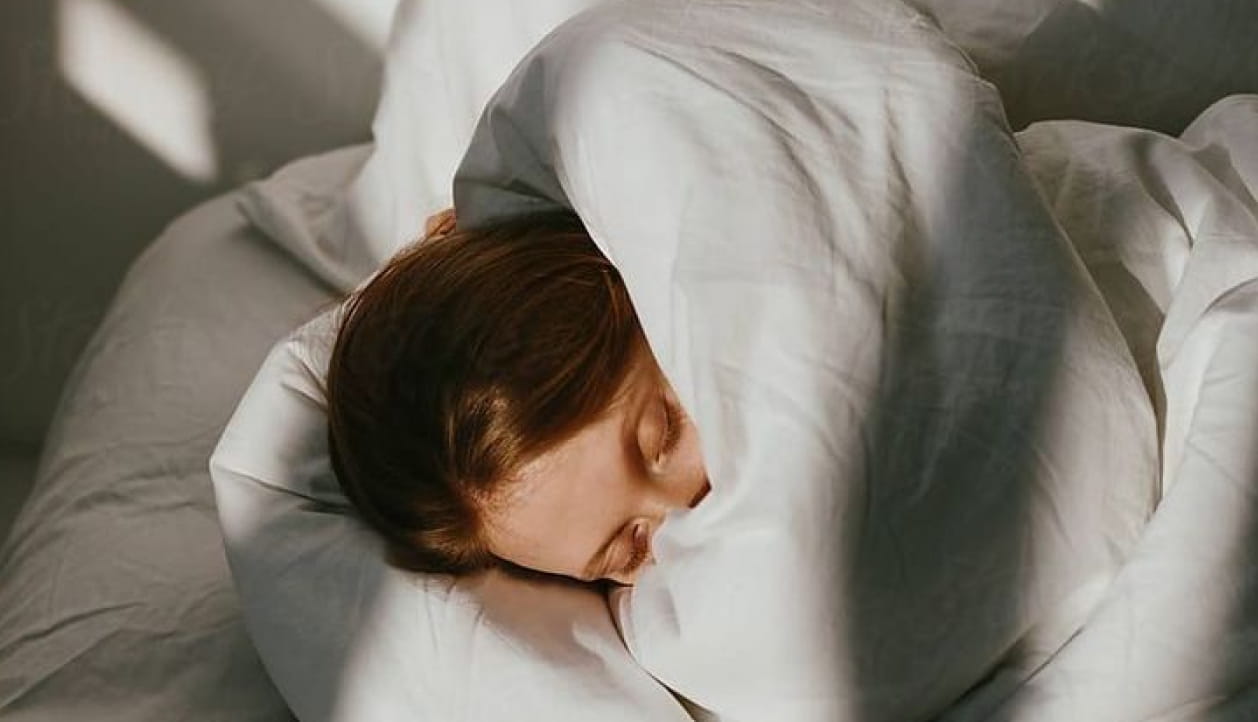
Hot flashes are one of the most common and disruptive experiences of the menopause transition. Up to 80% of women going through perimenopause or postmenopause experience them: the sudden wave of heat, the flushed skin, the perspiration that soaks a blouse or wakes you at 3 am. For some women they are a brief annoyance. For others they are relentless, interrupting concentration at work, breaking up sleep night after night, and wearing away at quality of life in ways that are hard to explain to anyone who has not felt them. And they are not short-lived for most women: the largest study to track them found they last a median of more than seven years.
Hormone therapy remains the most effective medical treatment for hot flashes, and for many women it is a good choice. But a significant number of women cannot take hormones, prefer not to, or simply want more tools in their kit. If that describes you, you may have heard of cognitive behavioural therapy (CBT), certain antidepressants, or acupuncture. You may not have heard much about clinical hypnosis, and that is worth changing. It has quietly built one of the strongest evidence bases in non-hormonal menopause care, and a landmark trial published in JAMA Network Open in 2025 has moved it firmly into the mainstream.

Can hypnosis really help hot flashes?
Yes. Clinical hypnosis is recommended by the North American Menopause Society as a non-hormonal option for hot flashes, and randomised controlled trials have found it can reduce hot flash frequency and severity by roughly 50 to 74%. It works through repeated practice over several weeks, it is drug-free, and it can now be delivered through self-guided audio you use at home. The rest of this guide explains what the research shows, how it works, and how to try it.
Why hot flashes happen (and why they are so hard to shift)
To understand how hypnosis helps, it is worth understanding what a hot flash actually is.
What are vasomotor symptoms?
Hot flashes and night sweats are together known as vasomotor symptoms, the medical umbrella term for the body's dysregulated heat responses during menopause. A hot flash is a sudden sensation of intense warmth across the face, neck, and chest, often with flushing, sweating, and a faster heartbeat, usually lasting one to five minutes. A night sweat is the same thing during sleep, sometimes intense enough to wake you and leave bedding damp. They share the same physiological origin, but night sweats carry the extra burden of broken sleep, which feeds into mood, concentration, and daytime coping. Up to 80% of women experience these symptoms, and for most they persist for years rather than months, a median of more than seven years in the largest study to measure it.
Why menopause narrows the body's comfort zone
The underlying mechanism involves the hypothalamus, the brain's thermostat. During the reproductive years, oestrogen helps maintain a stable “thermoneutral zone,” the narrow range of core body temperature within which the body neither sweats nor shivers. As oestrogen declines through perimenopause and postmenopause, this comfort zone narrows sharply. Now even a small rise in core temperature, from a warm room, a strong coffee, a stressful meeting, or the normal overnight variation in body temperature, crosses the threshold and triggers the sweating response. That is a hot flash.
The brain chemical norepinephrine plays a central role in narrowing that zone, which is why medications affecting norepinephrine (such as some SSRIs and SNRIs) can reduce hot flashes. It also explains why stress and anxiety, which activate the body's fight-or-flight system and raise norepinephrine, tend to make symptoms worse. That nervous-system connection is exactly where hypnosis comes in.
Why hormone therapy is not an option for everyone
Hormone therapy is the most effective treatment for hot flashes, and for many women it is entirely appropriate. But a large group of women cannot use it or would rather not. Some have a history of hormone-sensitive cancers such as breast cancer; others have different medical reasons to avoid hormones, and many simply prefer to start with non-hormonal approaches. For these women, having genuinely effective non-hormonal options matters, and this is where clinical hypnosis has become one of the better-evidenced choices.
What is clinical hypnosis for menopause?
Clinical hypnosis is a structured, well-defined psychological technique: a guided induction into a state of focused, relaxed attention, followed by specific therapeutic suggestions. It is a clinical tool used by trained practitioners, quite different from the hypnosis of stage shows, and more targeted than simply listening to calming music or a sleep soundscape. For hot flashes, those suggestions are designed to change how the brain perceives and responds to changes in body temperature. The process is deliberate, targeted, and clinically meaningful.
How is it different from relaxation or meditation?
This distinction matters more than it first appears. When NAMS reviewed the evidence in 2023, it recommended clinical hypnosis and CBT, but specifically did not recommend paced breathing, relaxation, mindfulness-based interventions, cooling techniques, supplements, or yoga for treating hot flashes. In other words, hypnosis is more than relaxation under another name. It uses focused attention plus directive therapeutic suggestion aimed at a specific physiological response, and that appears to be why it produces effects that generic relaxation techniques, on the current evidence, do not.
How hypnosis affects the body's temperature control
When the sympathetic nervous system is activated, by stress, anxiety, or even the anticipation of another hot flash, it raises norepinephrine and narrows the already-compromised comfort zone, making hot flashes more frequent and intense. The relationship runs both ways: hot flashes disrupt sleep, and poor sleep heightens stress reactivity, creating a self-reinforcing loop. Hypnosis appears to work by calming that sympathetic arousal and changing how the brain responds to temperature signals. Importantly, the effects show up not only in how women say they feel, but in physiological measurement, which is a key part of why the evidence is taken seriously.

What the research on hypnosis and hot flashes shows
The evidence here is best understood as a sequence of trials that build on each other, each one addressing the limitations of the last.
The landmark trial: a 74% reduction in hot flashes
The foundational study is a randomised controlled trial by Elkins and colleagues, published in Menopause in 2013. It enrolled 187 postmenopausal women having at least seven hot flashes a day and gave them either five weekly clinical hypnosis sessions or a structured-attention control. At 12 weeks, the hypnosis group reported a 74% reduction in hot flash frequency, compared with 17% for the control group. What makes this trial especially convincing is that the benefit was also captured by physiological skin-conductance monitoring, a step beyond self-report: measured hot flash activity fell by about 57% in the hypnosis group, compared with roughly 10% in the control group. That objective change is strong evidence the effect is real and physiological.
Self-guided audio hypnosis: the 2025 evidence
The 2013 trial used in-person sessions, which require professional access and do not scale easily. The natural next question was whether the same benefit could be delivered through self-administered audio. A large trial published in JAMA Network Open in 2025 answered it. Researchers randomised 250 postmenopausal women to either a six-week daily self-hypnosis audio programme or a sham control using structurally similar white-noise audio. The hypnosis group reduced their hot flash score (frequency combined with severity) by 53% at six weeks, improving to over 60% at the three-month follow-up. The sham group also improved, by about 41%, which is expected in good mind-body trials, because any structured daily practice has value. The hypnosis group improved significantly more, however, and they continued to improve after the programme ended.
This trial matters most for anyone considering an at-home approach, because it tested the exact format a hot flash hypnosis app delivers: short, self-guided daily audio sessions, no therapist in the room. It is also the most rigorous study in the field, thanks to its sham control, and it was published in one of medicine's most demanding peer-reviewed journals.
Does it work for breast cancer survivors?
For women who cannot take hormones after breast cancer, this question is central. An earlier randomised trial, published in the Journal of Clinical Oncology in 2008, tested hypnosis in 60 breast cancer survivors and found about a 68% reduction in hot flash scores, along with improvements in sleep, anxiety, and mood. That trial had a limitation, in that it lacked a placebo control, so expectancy effects could not be fully ruled out. The 2025 sham-controlled trial specifically included breast cancer survivors, however, who saw reductions of roughly 64%, which strengthens the earlier finding considerably. Taken together, hypnosis is a genuinely reasonable option for this group. Because hypnosis works on the symptom rather than the underlying condition, it is designed to complement ongoing cancer care rather than take its place, and it can be practised comfortably alongside it.
It also helps the sleep that hot flashes disrupt
Because night sweats and broken sleep are so tightly linked, it is relevant that a 2021 trial by the same research group tested hypnosis for sleep disturbance in postmenopausal women and found clinically meaningful improvements in sleep quality across delivery methods, including phone and home practice. For the many women whose heaviest burden is overnight, that combination, fewer night sweats and better sleep, is particularly valuable.
How hypnosis compares with other non-hormonal options
Every non-hormonal option has its own profile. Medications such as SSRIs, SNRIs, and the newer NK3 receptor antagonists can be effective but carry side effects, from nausea and sexual dysfunction to (for some newer drugs) the need for liver monitoring, plus cost and availability limits. CBT can genuinely help by changing how distressing and disruptive hot flashes feel, though its effect on how often they actually occur is more modest. Hypnosis is distinctive because it appears to act on both the physical symptom and the stress response that amplifies it, it is drug-free, it has no significant side effects, and it can increasingly be delivered through accessible audio.
What the guidelines recommend, and what they do not
The most useful thing about the 2023 NAMS position statement is that it tells women what to skip as well as what to try. On the recommended list: CBT, clinical hypnosis, certain antidepressants, gabapentin, oxybutynin, weight loss, stellate ganglion block, and the newer medication fezolinetant. Left off the list for hot flashes, because the evidence does not support them: supplements and herbal remedies, paced breathing, cooling techniques, relaxation, mindfulness-based intervention, and yoga. For anyone who has spent money on supplements hoping for relief, this list alone is worth the read.
How to try hypnosis for hot flashes
The practical question is what to actually do. There are two main routes, and both have supporting evidence.
Working with a hypnotherapist versus self-guided audio
Seeing a trained clinical hypnotherapist offers tailoring: sessions adapted to your symptoms and responses. That is the model the 2013 trial used. The trade-off is access and cost. Self-guided audio, by contrast, is accessible, private, low-cost, and, thanks to the 2025 trial, evidence-based in its own right. For many women, a good self-guided programme is a sensible first step, with the option to see a hypnotherapist if they want more individual support.
What to expect and how long it takes
Hypnosis works through repetition, more like physiotherapy or learning a skill than taking a pill. The trials that showed results used daily audio sessions of roughly 15 to 20 minutes over six to twelve weeks. Improvement tends to build gradually: flashes feeling slightly less intense in the first couple of weeks, with larger reductions in frequency and sleep disruption emerging over time. Consistency matters more than the length of any single session. It is also safe, non-invasive, and carries no known interaction with medications or hormone therapy, so it can be used alongside other treatments rather than instead of them.
Lifestyle habits that support it
Hypnosis works best within a broader framework of good habits, none of them dramatic. A cool sleeping environment and breathable, layered bedding reduce night-sweat severity. Regular sleep and wake times support the circadian stability that helps overnight symptoms. Regular movement and slow breathing are worth keeping up for sleep, mood, and general wellbeing through this transition, though current guidelines do not count them among proven treatments for the hot flashes themselves. And because alcohol and late-day caffeine are the most commonly reported dietary triggers, tracking your own symptoms against intake for a week or two, without rigid restriction, often reveals patterns worth acting on.
Is hypnosis for hot flashes safe?
Clinical hypnosis has a well-established safety profile. No significant adverse effects have been reported in published trials, it involves no drug, and it does not interact with medications. It is considered safe for women with a history of breast cancer. Hypnosis focuses on easing the symptom experience, so other parts of menopause health, such as bone density, cardiovascular health, and genitourinary symptoms, may benefit from separate attention depending on your overall profile, and a menopause-aware clinician can help you cover the full picture.
If your hot flashes are sudden, severe, or new, or if they come with unusual symptoms such as drenching sweats alongside unexplained weight loss, it is a good idea to speak with a clinician before starting any self-managed programme, simply to confirm the cause. Women with a complex medical history or those under specialist care can check with their treating doctor first.
Frequently Asked Questions


From the EverCalm Team



.svg)